

Dubai unveils coordinated tourism response and future growth roadmap at major industry briefing
Future-focused initiatives and infrastructure projects support long-term competitiveness

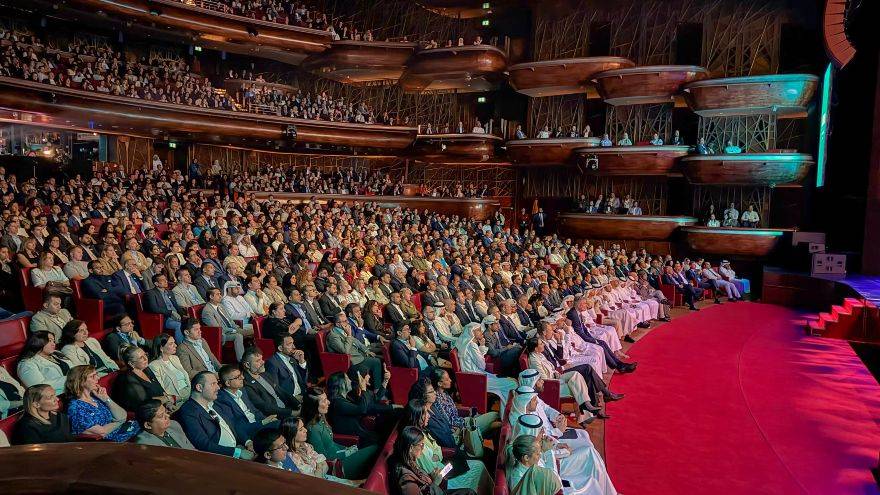
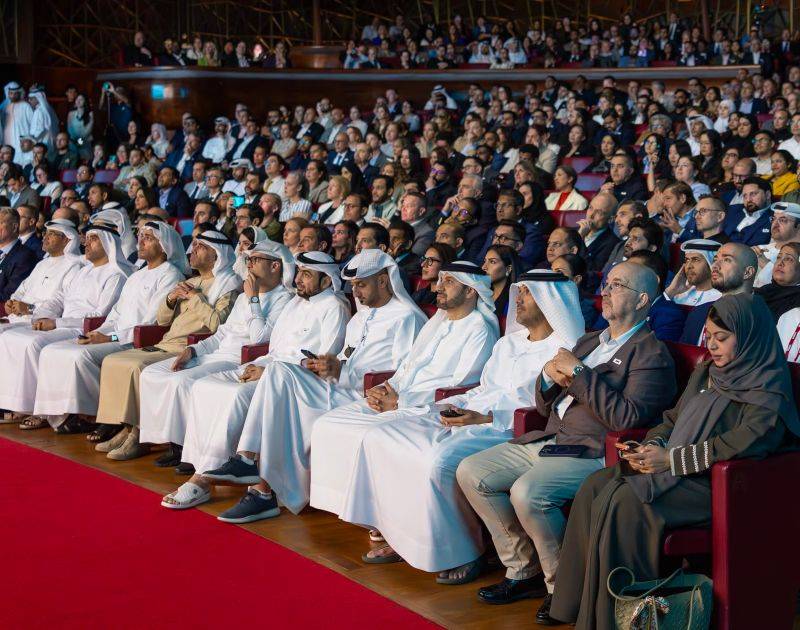
DUBAI – Dubai’s tourism and economic leadership gathered at Dubai Opera yesterday for the bi-annual City Briefing convened by the Dubai Department of Economy and Tourism (DET), bringing together more than 1,700 senior stakeholders from across aviation, hospitality, retail, events, government entities and the media.
The gathering marked a record attendance for the briefing series and came at a time of shifting regional dynamics, underscoring the city’s emphasis on unity, coordination and sustained confidence across its visitor economy. The event served as a structured platform to align priorities, review sector performance, and reinforce the strategic direction of the Dubai Economic Agenda, D33, as the emirate advances through 2026 with continued global competitiveness.
Held in the presence of Helal Saeed Almarri, Director General of DET, the briefing focused on strengthening operational continuity, consolidating public-private partnerships, and accelerating tourism growth strategies. Industry leaders were presented with a comprehensive overview structured around three core pillars: coordinated responses to regional developments, resilience across the tourism ecosystem supported by innovative initiatives, and a forward-looking outlook highlighting major programmes, events and infrastructure shaping the second half of 2026.
Issam Kazim, CEO of Dubai Corporation for Tourism and Commerce Marketing (DCTCM), highlighted that Dubai’s tourism model continues to evolve under a highly coordinated framework, supported by strong stakeholder alignment and diversified source markets. He noted that the sector’s stability reflects a mature institutional system built on sustained collaboration between government and private operators, enabling agile responses and consistent performance even amid external pressures. As Dubai transitions further into the second half of 2026, he reiterated that the focus remains on long-term growth, global competitiveness, and continued enhancement of the emirate’s tourism offering in line with the ambitions of D33.
Ahmed Al Khaja, Chief Executive Officer of Dubai Festivals and Retail Establishment (DFRE), emphasised the role of events as a central pillar of Dubai’s tourism economy, driving demand, supporting businesses and ensuring year-round visitor activity. He noted that the city’s events strategy has evolved into a globally competitive framework, built on innovation, diversity and scale. He added that the upcoming calendar of events for 2026 reflects strong confidence in sustained demand, with public-private partnerships playing a key role in curating experiences that enhance Dubai’s global positioning. The events ecosystem continues to be aligned with the broader D33 objectives, ensuring economic impact across retail, hospitality and entertainment sectors.
Response plan
The briefing outlined how DET and its partners acted swiftly in response to recent regional developments, ensuring stability across Dubai’s visitor economy. From the earliest stages of the situation, contingency frameworks were activated to maintain seamless operations across key sectors. Coordination with aviation partners, including Emirates and flydubai, ensured that rerouted flights continued to maintain global connectivity for travellers, while operators across hospitality and entertainment sectors received real-time guidance through communication channels such as the Dubai Info Hub WhatsApp network. Consistent messaging was maintained across international markets to reinforce confidence in Dubai as a safe and operational destination.
Dubai Department of Economy and Tourism convenes its bi-annual City Briefing with key industry stakeholders at the Dubai Opera, bringing together more than 1,700 leaders from across the tourism, aviation, hospitality, retail and events sectors, as well as government officials and… pic.twitter.com/hh1cgsoSkV
— Dubai Media Office (@DXBMediaOffice) June 4, 2026
This coordinated private-sector alignment was supported by decisive government intervention, including a Dh2.5 billion support package aimed at safeguarding continuity across tourism, hospitality and entertainment sectors. The package included targeted financial relief for eligible operators, alongside expedited licensing and regulatory processes designed to ease operational pressures. The measures were structured to protect employment levels, sustain business continuity and preserve the quality of the visitor experience during a period of heightened uncertainty.
Together, these interventions ensured that all major touchpoints of the tourism ecosystem remained fully operational, reinforcing Dubai’s reputation for institutional readiness and resilience. The approach demonstrated the strength of long-established coordination mechanisms between public authorities and private sector stakeholders, which continue to underpin the emirate’s tourism success.
Sector strength
Dubai entered 2026 from a position of robust economic and tourism strength, supported by record-breaking international visitation in 2025, 6.4 percent GDP growth in Q4 2025, and 95.2 million passengers handled at Dubai International Airport. These figures reflect the continued expansion of the emirate’s global connectivity and its steady progress towards achieving the goals of the D33 Agenda, which prioritises economic diversification and sustained tourism growth.
Across the hospitality and tourism ecosystem, industry players demonstrated strong adaptability in response to evolving conditions. Hotels introduced preferential rates, flexible booking policies and value-added packages to sustain demand, while restaurants and entertainment venues launched targeted initiatives to maintain visitor engagement. The collective response highlighted the depth of collaboration between stakeholders, reinforcing the strength of Dubai’s integrated tourism model.
A series of sector-wide initiatives further supported momentum. Campaigns such as ‘Dubai, A Fine Way to Dine’ and ‘Dubai Restaurant Week’ helped stimulate activity across the food and beverage sector by encouraging residents and visitors to explore curated dining experiences across the city. These initiatives played a key role in supporting footfall and sustaining commercial activity in a highly competitive global environment.
Within the culinary sector, collaboration emerged as a defining theme. Chefs and hospitality professionals participated in industry-led initiatives designed to support venues and teams across the city. Informal ‘industry takeovers’ saw chefs contributing to peer establishments, while ‘Family Meal’ programmes provided structured support for hospitality workers, reinforcing solidarity across the sector. These efforts highlighted the interdependent nature of Dubai’s culinary ecosystem and its resilience under shared operational challenges.
Community pulse
Beyond the formal tourism infrastructure, Dubai’s broader social fabric also reflected strong cohesion during this period. Residents across communities displayed visible expressions of solidarity, with national flags prominently displayed across neighbourhoods and public spaces. Popular gathering points such as Kite Beach and Nad Al Sheba became informal hubs of community engagement, where residents participated in initiatives linked to the ‘We Love Dubai’ campaign, leaving messages of support and appreciation for the city.
This collective sentiment extended across long-term expatriates and Emirati families alike, reinforcing Dubai’s identity as a diverse yet unified society. The strong participation of residents in public initiatives continues to contribute to the city’s tourism narrative, shaping perceptions of Dubai as both a global destination and a closely connected community.
Forward momentum
Looking ahead, the City Briefing placed strong emphasis on future growth drivers, with a clear focus on sustained tourism expansion, infrastructure development and global marketing reach. DET continues to operate in structured collaboration with more than 3,000 international partners across over 80 source markets, ensuring consistent visibility and demand generation for Dubai’s tourism offering. This coordinated global strategy is designed to maintain strong visitor pipelines and reinforce the emirate’s positioning as a leading destination for business, leisure and investment.
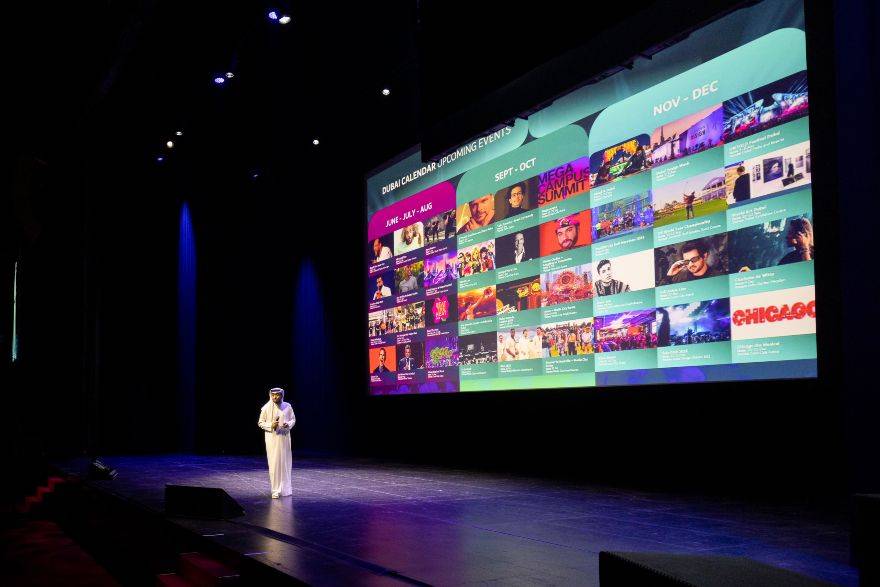
The upcoming events calendar is set to play a central role in sustaining this momentum. Dubai Summer Surprises (DSS) returns in July with a citywide programme spanning entertainment, retail promotions and dining experiences. The initiative will feature flagship activations including the Great Dubai Summer Sale and Summer Restaurant Week, reinforcing Dubai’s appeal as a family-oriented summer destination.
Later in the year, the Dubai Fitness Challenge (DFC) will mark its 10th edition from 31 October to 29 November, highlighting a decade of sustained focus on wellness and active lifestyles. The milestone edition underscores Dubai’s long-term strategy to position itself as a global hub for lifestyle tourism, supported by consistent investment in community-focused initiatives.
Infrastructure development continues to provide a strong foundation for long-term growth. The approved Gold Line metro project will span 42 kilometres underground, connecting 15 districts and enhancing urban mobility. The Blue Line remains on track for completion in 2029, further expanding the city’s transport network. In parallel, the US$35 billion expansion of Al Maktoum International Airport is set to transform it into the world’s largest aviation hub, reinforcing Dubai’s long-term connectivity and capacity for growth.
As the briefing concluded, stakeholders reaffirmed a shared commitment to advancing the objectives of the D33 Agenda, strengthening collaboration across sectors, and sustaining the momentum of Dubai’s tourism and economic expansion into the remainder of 2026 and beyond.